News & Member Stories / ALA News
ALA News
Inside WJE's Janney Technical Center: ALA Tours the Lab November 18
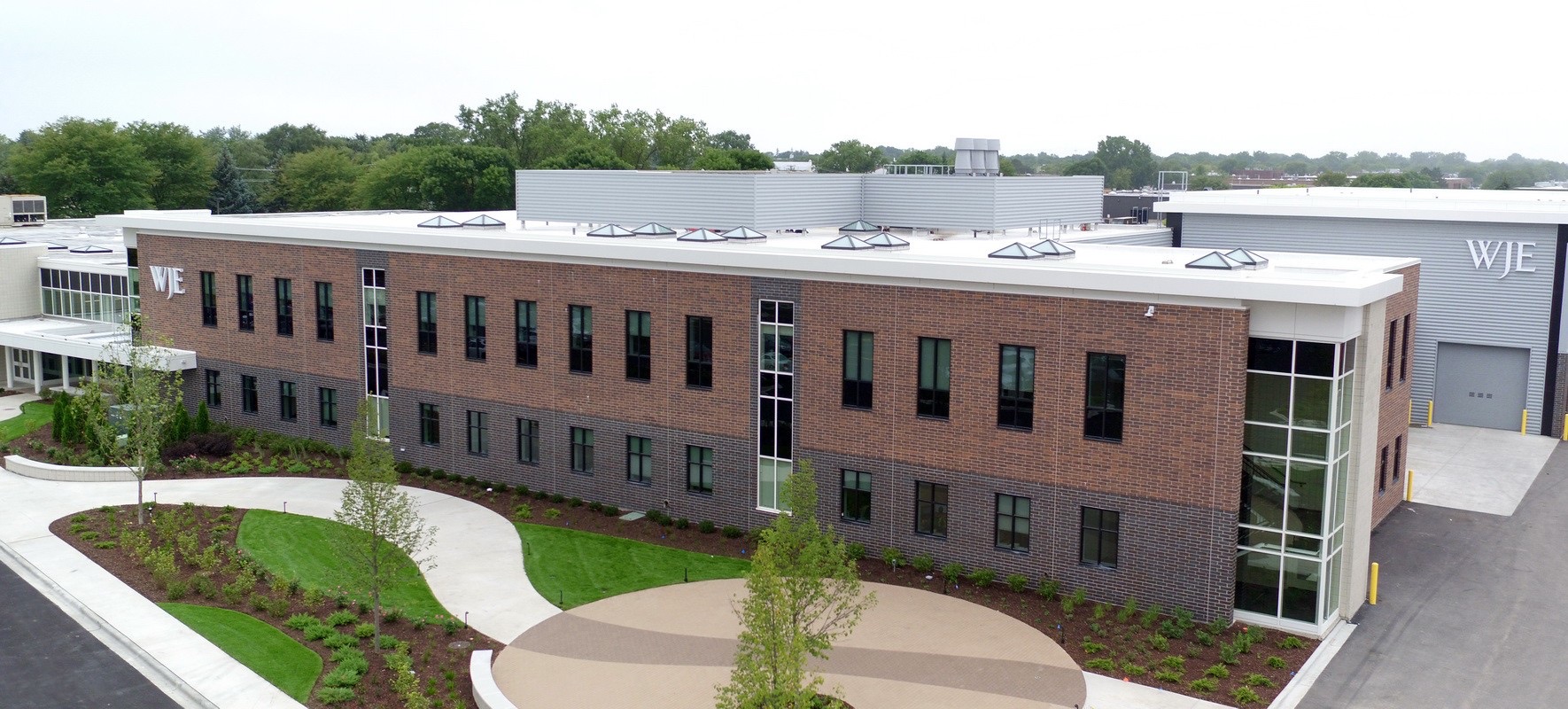
On Wednesday, November 18, ALA members go inside the Janney Technical Center, the testing and applied research facility of Wiss, Janney, Elstner Associates (WJE) in Northbrook. The tour runs from 3:00 to 5:30 PM Central and carries 1.0 LU/HSW. It is free for ALA members and $20 for non-members. Attendance is limited.
Who WJE is
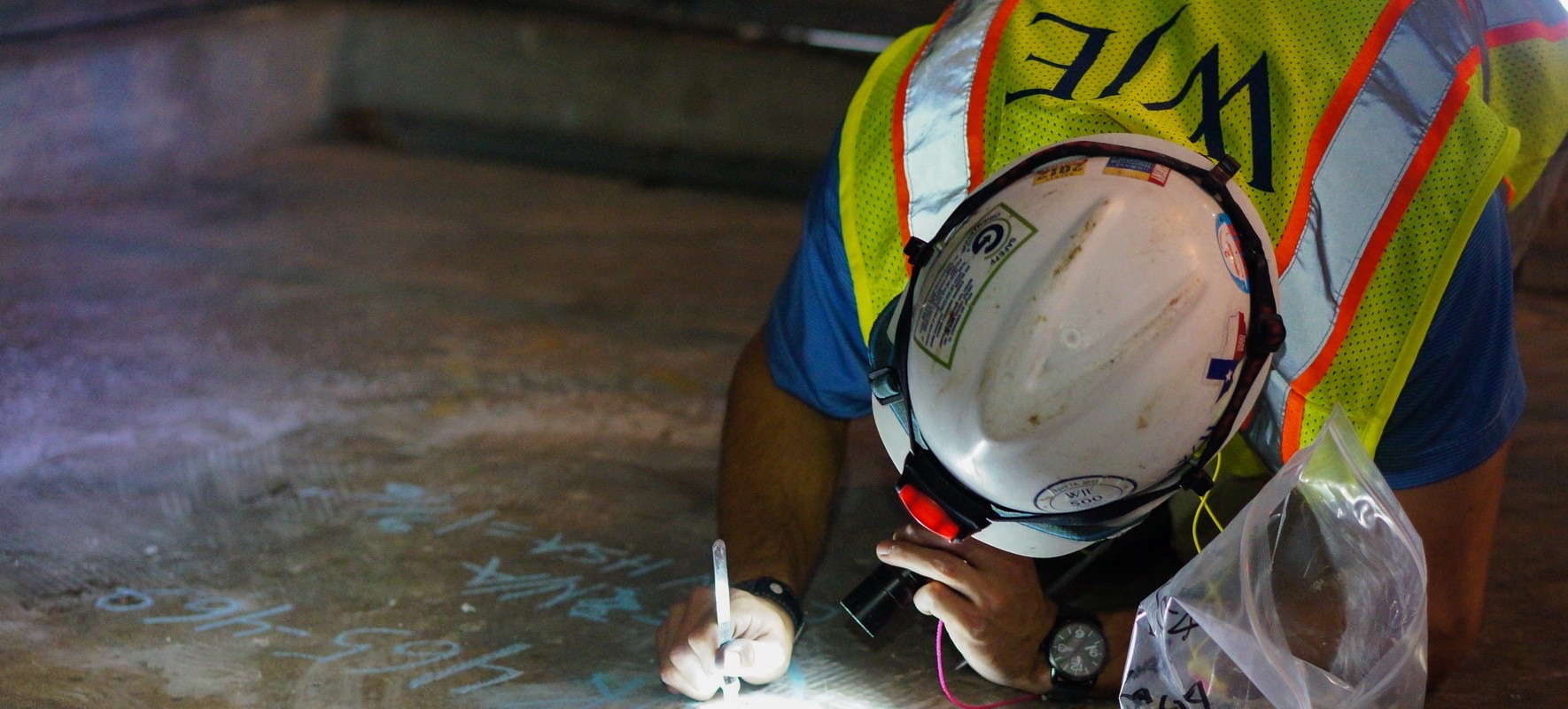
WJE is an interdisciplinary firm of engineers, architects and materials scientists. Owners, architects and contractors call on it to investigate, test and repair buildings and structures, from a leaking facade to a structure in distress.
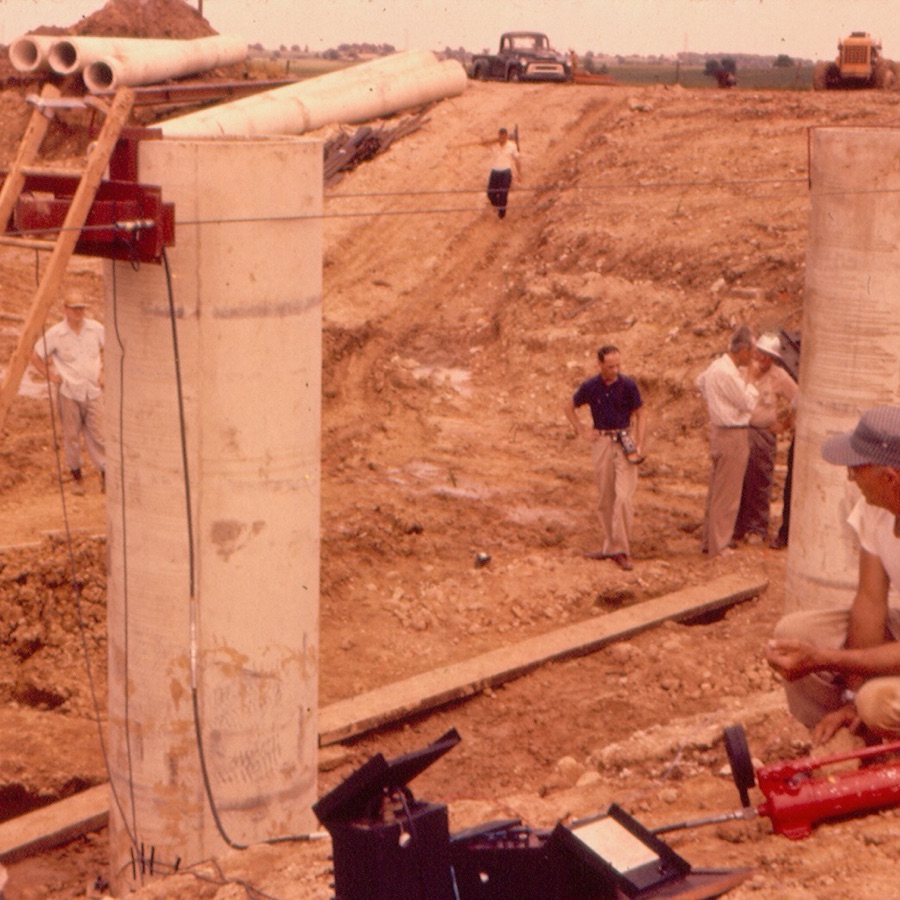
The firm began in 1956 as a one-person consultancy. Jack Janney's first assignment came from the Illinois Tollway: full-scale load testing and quality control for precast, prestressed concrete girders. He brought in his former colleague Dick Elstner and his neighbor Jack Wiss, and in the early 1960s the partners built their own headquarters in Northbrook with a 7,000 square foot structural testing laboratory. Northbrook is still home. WJE is employee owned and today has more than 800 people in 30 offices.
Work architects will recognize
WJE ran full-scale load tests on buildings from the 1964 New York World's Fair before they came down, and Janney said that job put the firm on the map. In the 1970s it was technical consultant for the repair of the Woolworth Building's terra cotta facade, its first major architectural project. Later work includes damage assessments after the 1993 World Trade Center bombing, the safety audit of Boston's Big Dig, repair of the Washington Monument after the 2011 earthquake, and the investigation of the Champlain Towers South collapse in 2021.
Inside the Janney Technical Center
Before the tour, take five minutes with WJE's own walkthrough of the lab you will visit.
WJE opened the center on its Northbrook campus in July 2018 and named it for its founder. At 70,000 square feet, it is about four times the size of the 1962 lab it replaced. It holds chemistry, petrography, metallurgy, concrete and mortar, corrosion, and structural testing laboratories, plus environmental exposure chambers for accelerated weathering, climate control and freeze and thaw cycles.
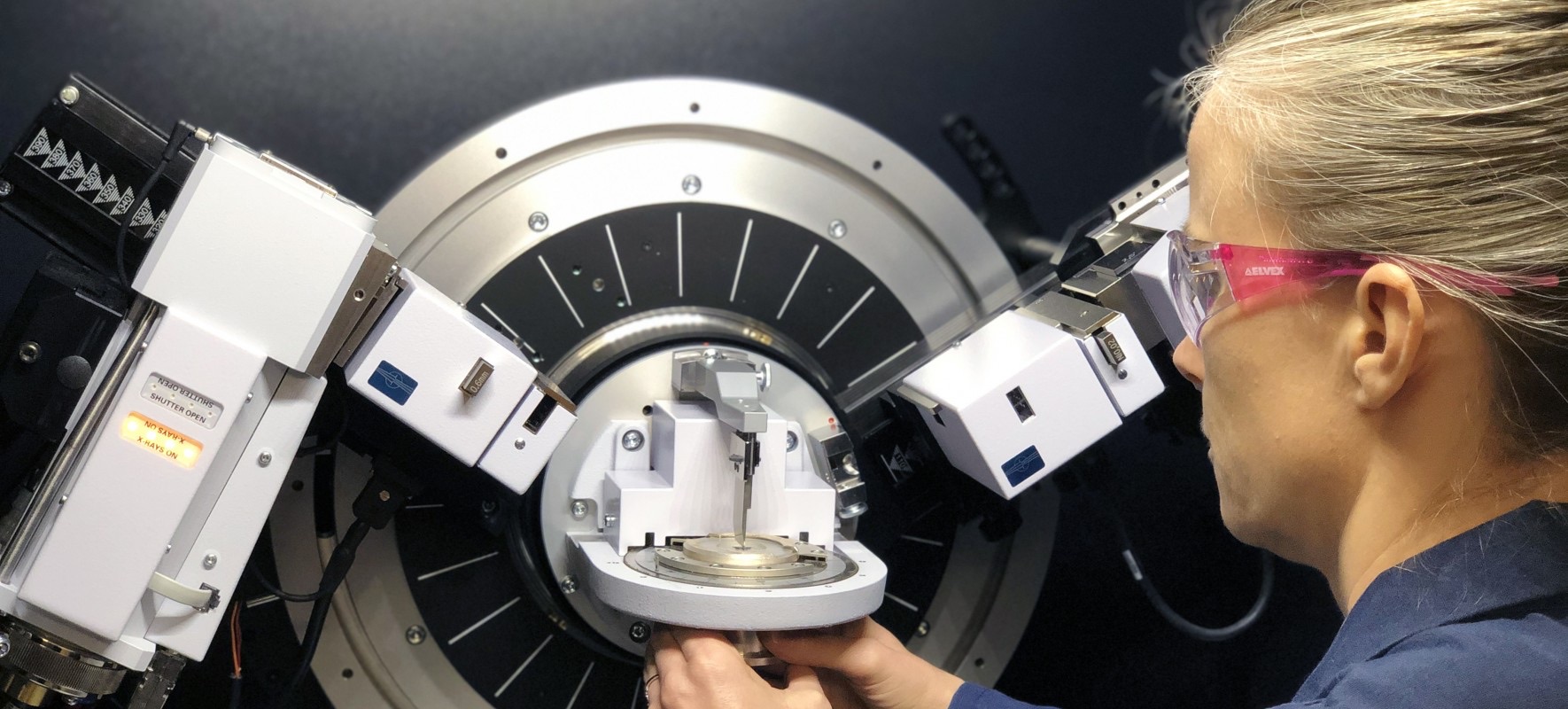
The structural laboratory covers 8,000 square feet and has a crane and rail system for large tests, such as full building wall samples and bridge retrofits. The analytical side includes X-ray diffraction and X-ray fluorescence, infrared spectroscopy, gas chromatography with mass spectrometry, thermal analysis and a scanning electron microscope. Petrographers study concrete, mortar and stone under the microscope to learn how a material was made and why it is deteriorating.
The lab also tests paints and special coatings, waterproofing, adhesives, sealants and glass, runs standard ASTM tests, and develops new test methods. When it opened, WJE said the goal was one roof for everyone: the engineers and architects who investigate buildings in the field work steps away from the scientists who test the samples they bring back.
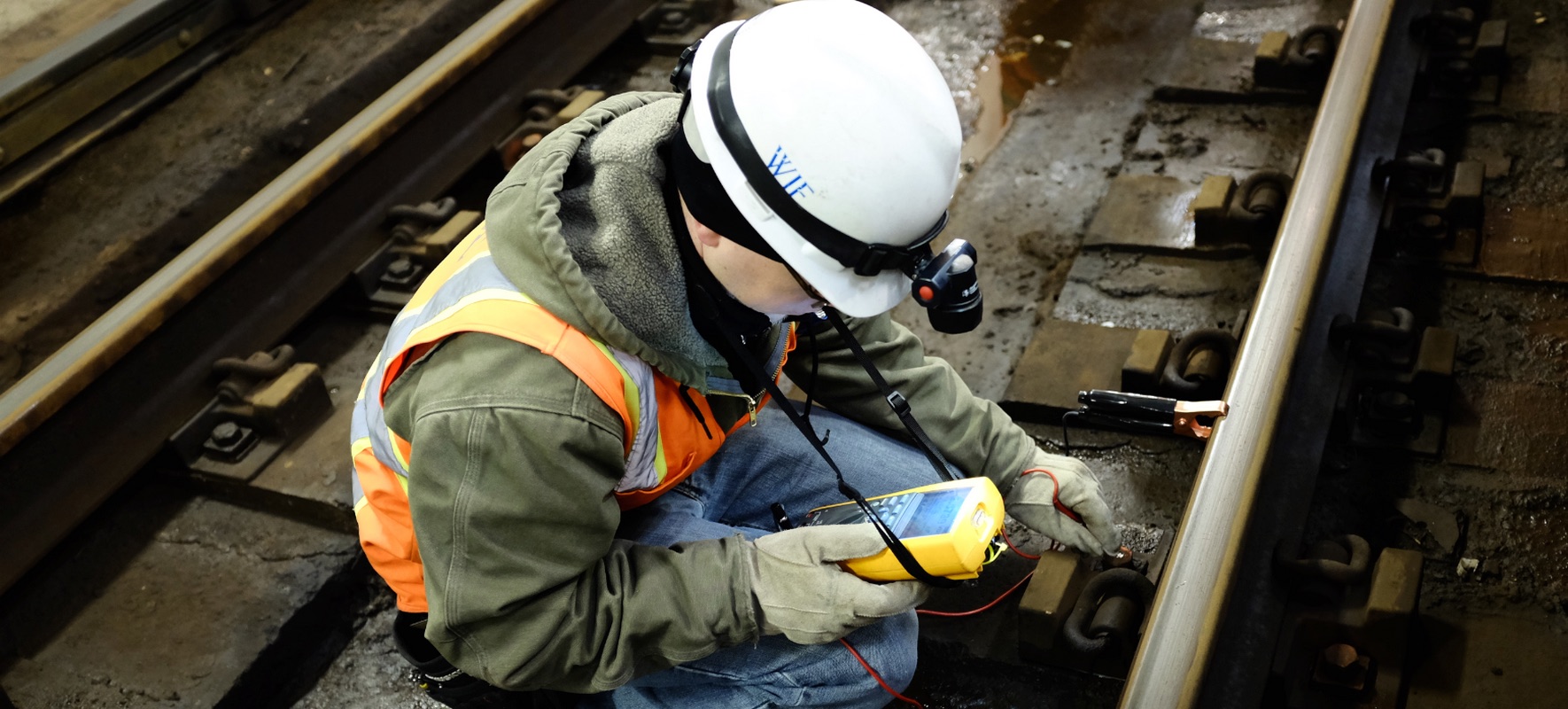
WJE counts more than 200,000 assignments over the center's history, covering nearly every kind of construction material, structural system and architectural component. Its laboratories are accredited to perform more than 250 different tests, including ISO/IEC 17025 accreditation from the ANSI National Accreditation Board, and JTC staff often take their testing out to the job site. The guiding idea goes back to the founder: Jack Janney's advice to "ask the structure."
John Pearson, Principal and Laboratory Manager, puts it this way: "We're able to bring innovative testing and analytical solutions to each WJE project."
Why architects should go
Architects specify materials every day and rarely see how they are tested. This is a chance to see the equipment, meet the people who run it, and ask how a material is judged to meet a specification and how an investigation finds the cause when something fails.
Tour details
Wednesday, November 18, 2026, 3:00 to 5:30 PM Central, at the Janney Technical Center, 330 Pfingsten Road, Northbrook, IL 60062. 1.0 LU/HSW. Free for ALA members, $20 for non-members. Attendance is limited, so register early. AIA members: enter your AIA number when you register so your learning unit can be reported to AIA.
Thank you to WJE for opening its lab to ALA members. Photography courtesy of WJE.
Questions
When and where is the WJE lab tour?
Wednesday, November 18, 2026, from 3:00 to 5:30 PM Central, at WJE's Janney Technical Center, 330 Pfingsten Road, Northbrook, Illinois 60062.
What does it cost, and how many learning units?
The tour is free for ALA members and $20 for non-members. It carries 1.0 LU/HSW. AIA members should enter their AIA number when they register so the unit can be reported to AIA.
What is the Janney Technical Center?
The 70,000 square foot testing and applied research facility of Wiss, Janney, Elstner Associates, opened in 2018 on WJE's Northbrook campus. It has chemistry, petrography, metallurgy, concrete and mortar, corrosion and structural testing laboratories and environmental exposure chambers.